Celebrating the 100th birthday of Miles Davis.
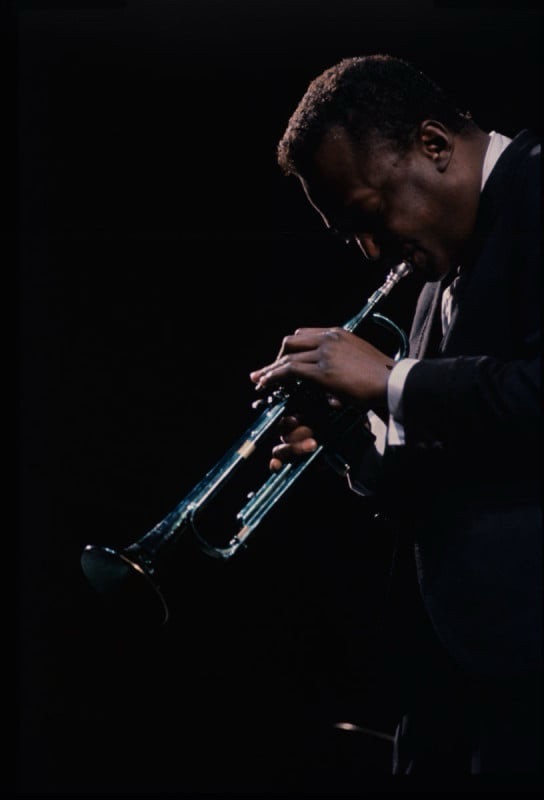
Ask a Miles Davis fan which of his albums is essential. You’ll get hundreds of different answers. None of them are wrong.
Can I pick ten essential Miles Davis albums? The enthusiast in me says “no problem.” The realist in me says, “you’re backing yourself into a corner.”
That’s the way it goes.
Still, I love to help people explore music. When they ask about Miles, I do my best to narrow things down. But I always qualify my answer.
I’m going to do the same thing here by saying my choices are a jumping-off point and nothing more. By all means, step outside of what I’m giving you and continue your own journey. It’s really the best way to go.
With that being said, here are ten of my favorite Miles Davis albums.
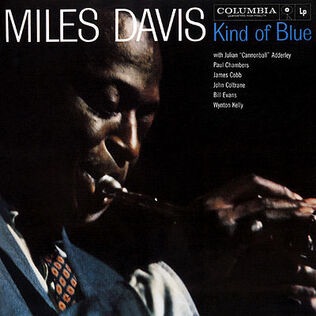
KIND OF BLUE (released in 1959). The benchmark. The Gold Standard. Not only is this an essential Miles album, Kind of Blue is that jazz record everyone must have. A jazz collection is incomplete without it!
Marvel over knowing that all the solos from Miles, John Coltrane, Julian “Cannonball” Adderly, and Bill Evans are completely improvised, as Miles only brought the theme statements to the studio with him. Marvel further knowing the album was recorded live over two days and most of the song’s first takes were the ones used for the album. (Put that thought process up against bands that take months or even YEARS to put an album together, often using editing software to stitch songs together as part of the process.)
This was Miles’s second “Modal” jazz album, meaning the musicians played more over the scales of one chord (modes), as opposed to traditional chord progressions. The feel of this music is simply amazing. Each band member loses himself in the music, making each moment their own when it presented itself. It won’t take long to understand why this album is an essential.
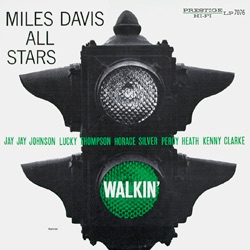
WALKIN’ (1957). Before his historic 30-year run with Columbia Records that began in 1955, Miles cut some choice albums for the Prestige label. Some of the albums were released after Miles started recording with new label, as albums like Relaxin’, Steamin’, Workin’, and Cookin’ were recorded in order to fulfill the contract obligation Miles had with Prestige.
Don’t be fooled … these albums are no throwaways. There’s no filler here, particularly on Walkin’, my personal favorite of this series. Miles’s tone is incredibly strong throughout the recordings while he makes every tune his own, whether he wrote it or not. There are also great performances by J.J. Johnson (trombone) and Horace Silver (piano). This album is another essential. And if you can collect a box set with all the Prestige Records recordings, DO IT! They do exist.
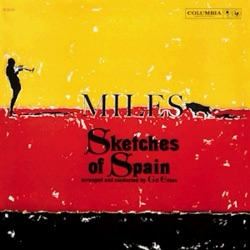
SKETCHES OF SPAIN (1960). A gorgeous collection of Spanish-themed music featuring warm and mildly subdued trumpet and flugelhorn solos from Miles as he plays with master arranger Gil Evan’s orchestra. Tone is everything here. Miles doesn’t plow through the arrangements aggressively like he did on previous albums. Instead, he allows himself to float over the top of the compositions. The results are lush and beautiful. Evans’s arrangements wrap themselves around Miles like a warm blanket. Two other Miles/Evans collaborations, Miles Ahead and Porgy and Bess are also well worth seeking out.
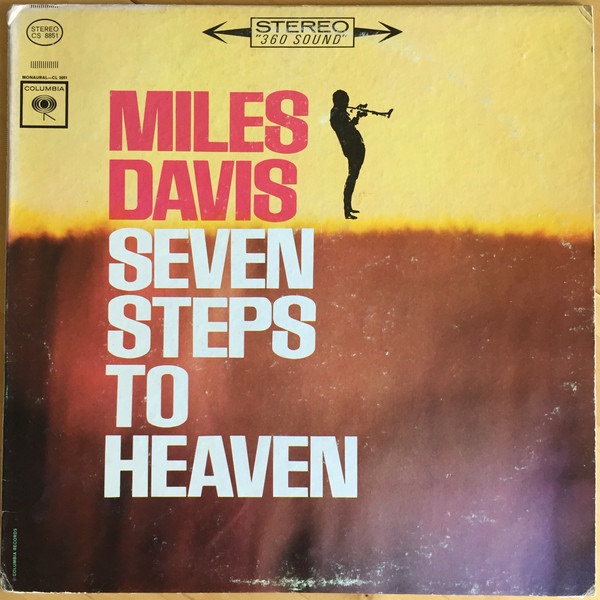
SEVEN STEPS TO HEAVEN (1963). A remarkable transition album that finds Miles between legendary tenor saxophonists. John Coltrane embarked on a solo career, while the equally legendary Wayne Shorter had not yet made the scene, as he was making his bones with drummer Art Blakey. Like Miles, Blakey had an eye and ear for young talent, often guiding those musicians through an apprenticeship before turning them loose to lead their own bands.
Among the musicians featured on Seven Steps to Heaven were three players that would make up Miles’s Second Great Quintet in Herbie Hancock (piano), Ron Carter (bass), and Tony Williams (drums). The music is tight and bouncy, particularly the title track. The ballads (probably Miles’s strong suit) are as highly emotional as always. Many people have slept on this album, opting to skip from Miles’s Coltrane Era to Shorter. They really shouldn’t have.
MILESTONES (1958). The first of Miles’s “Modal” albums features raw and aggressive work from everyone involved. It is jazz played with a heavy metal-type attitude. No doubt the room used to record the album comes into play as well. Powerful lead instruments were propelled by aggressive rhythms. There was no mistaking what was taking place here!
This is one of the first albums to feature the tenor sax of John Coltrane, who positively rips during every given opportunity. It was a sign of what was to come.
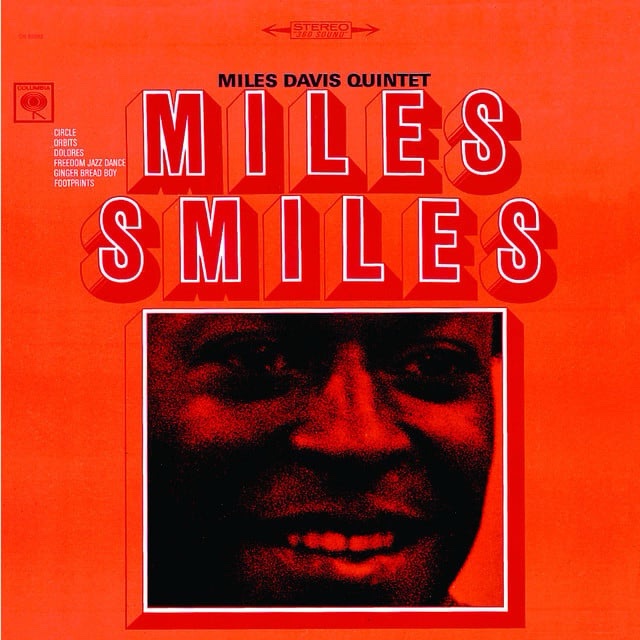
MILES SMILES (1967). For my money, this is THE album from THE Quintet. Miles and company were doing more than playing jazz. They were stretching out of Modes and letting the sound go wherever it wanted. Herbie Hancock once said jazz is like a conversation. You may not always make the point you were aiming for, but where you wound up is just fine. That’s the feel of this album. The shifts in direction might alter the expected conversation, but everything works itself out.
“Freedom Jazz Dance” makes life worth living, and “Footprints” is positively sublime. In concert, the band took things up a notch by performing some of these tunes at breakneck speed. Bonus points if you hunt down Freedom Jazz Dance, one of the Miles Davis Bootleg Recording series, where you’re able to listen to this album come together from the ground, up.
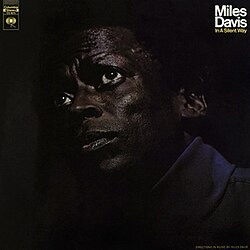
IN A SILENT WAY (1969). The beginning of the Great Transition. Miles was through with the exclusive use of acoustic instruments in his band. It was time to bring electric sounds into the fray. He put a toe into the pool by inviting guitarist George Benson to play on the Great Quintet’s album Sorcerer, released in 1968. With In a Silent Way, released the following year, Miles started making his way toward the deep end. Jazz fans (read, purists) screamed bloody murder. Miles couldn’t have given less of a damn.
I often call this album the best use of space I’ve ever heard. When I think on it, In a Silent Way can almost be seen as an early example of ambient or even post-rock music. For the band (which features another future legend in guitarist John McLaughlin), it is an exercise in patience. Not only is it important to know what and when to play, but what and when not to play. Less was more on this album. A true classic.
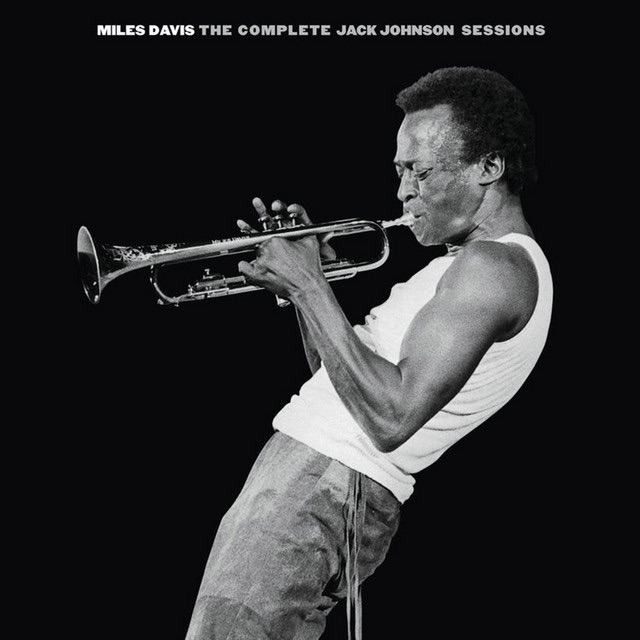
A TRIBUTE TO JACK JOHNSON (1971). Written as the soundtrack for a documentary about the first African-American heavyweight boxing champion, Miles (a boxing devotee) and his band defined the term jazz-rock, which was occasionally separated from fusion for reasons unknown.
Bassist Michael Henderson (who came from Motown rather than Jazz with his electric instrument) and guitarist John McLaughlin make the most of this relatively new style, bringing groove and intensity along with them. Herbie Hancock’s electric keyboards also broke new ground with Rae riffs and slinky chords. Like In A Silent Way, this album contains just two tracks. And like the other album, you won’t even notice.
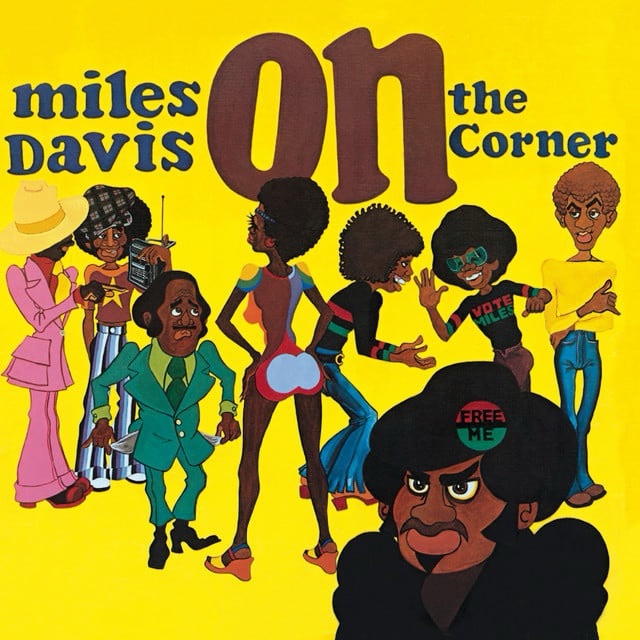
ON THE CORNER (1972). Probably the second most controversial Miles Davis album behind Bitches Brew, which came out two years earlier. Miles had fallen in love with the music of James Brown, Sly Stone, and Jimi Hendrix. After a series of more abstract albums like Get Up With It, which were mostly recorded live onstage, Miles returned to the studio in search of his own version of the “street” sound. What street that was exactly is anyone’s guess.
Still, there’s no denying the grooves on this album, which are positively ripe for jamming. What sounds like redundancy in places is more like tension and release. Musicians are given the space needed to find their way into the mix. Or everyone could lay back and let the grooves speak for themselves. A prime example of this can be found on “Black Satin”
This is one of those albums destined to get the entire body moving, as opposed to just the head nodding. This is an entirely different kind of “swing.” On the Corner was and remains very much ahead of its time.
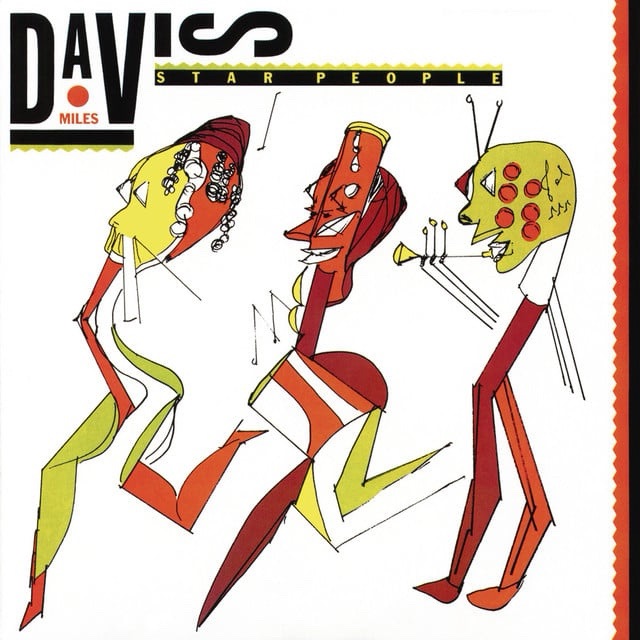
STAR PEOPLE (1983). Miles decided to take a break from recording and touring between 1975 and ‘81, primarily for health reasons. When he came back, a good chunk of his tone failed to come back with him. His first comeback album, The Man With The Horn, released in 1981, offers proof of this. Miles’s playing was weak and tentative more often than not, and he found himself leaning on the young musicians in his band like Marcus Miller (bass), Bill Evans (sax), and Mike Stern (guitar) to carry the day. Miles said it took three years for him to regain his sound. Star People is proof of that.
Blistering layers of funk, rock, jazz, and blues can be found all over this album. The album’s title track is a brilliant 18-minute blues workout. Miles’s playing is raw and aggressive once again (even when his horn is muted), and occasionally augmented with synthesizers Miles played while also playing trumpet. The band sets the pace and Miles picks up the gauntlet they threw down.
Many people eschew Miles’s eighties works because of their pop edges when he recorded Top 40 hits like “Human Nature” and “Time After Time.” Star People came before that started to happen. This album leaves scorch marks in the listener’s ears.
BONUS PICK:
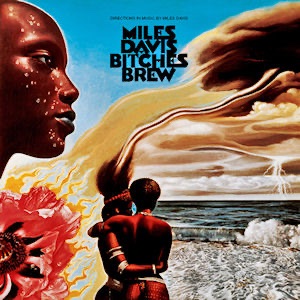
BITCHES BREW (1970). First things first: this is NOT jazz. Secondly, it’s a tough “get.” Miles left more than a few people scratching their heads when this recording was released. Theres a lot going on during these recordings. It requires true intent and focus in order to fully grasp what is taking place. No doubt that’s what producer Teo Marcero needed when he listened to and then edited this music together.
My suggestion: grab hold of the instrument of your choice, focus on it, and let the rest of the music flow around that particular instrument. Eventually, things will come together and make sense. But you’ll need to play the album more than once to get there.
Whatever you do, DO NOT start your Miles explorations here! Just don’t! Why will become obvious quickly enough. This is an album that rewards listeners who are not faint of heart and are willing to stretch their minds. More than a few couldn’t do it. Calling this album revolutionary is a severe understatement. Good luck!
So, there you are. A few Miles Davis albums to get you started. There are, of course, dozens of others to go with them. You’re in for an adventure!
How I envy you as you begin your journey.
#cirdecsongs
If you enjoyed this or any of my other content, please leave a like. It really helps.
If you would like to have your music reviewed, contact me at cirdecsongs@gmail.com


Inspiring words. Don’t have time to explore just now, though. I’ll save it for later.
LikeLike