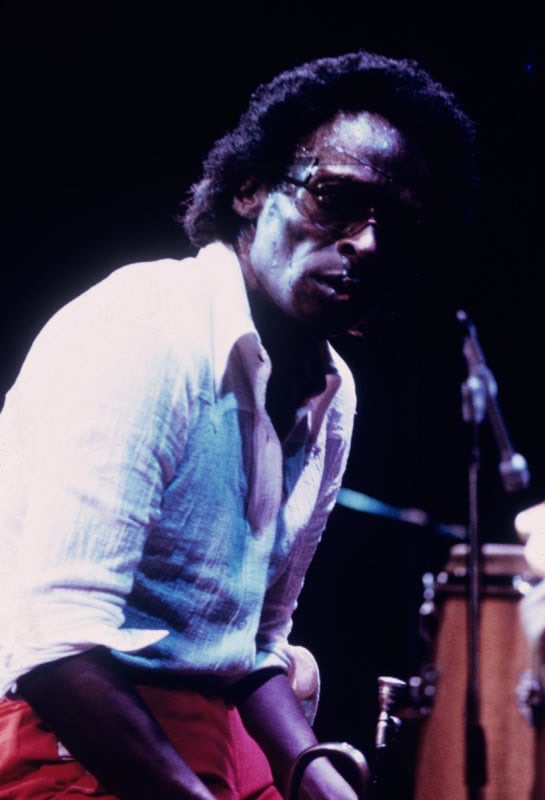
It’s May 26, and Miles Davis would be 100 years old today. It’s remarkable how much musicians and fans continue to discuss and display the ways Miles continues to be an influence nearly 35 years since his passing. Very few artists can make that claim.
Given his massive output via studio and stage, it seems almost insane to think Miles left something on the table. Yet there are a couple of projects out there — collaborations with other artists — that went unfinished. One can only imagine what might have happened had the stars aligned properly and the music gods allowed the proposed ideas to achieved their fruition.
This is what I find myself pondering today.
My Dream Band
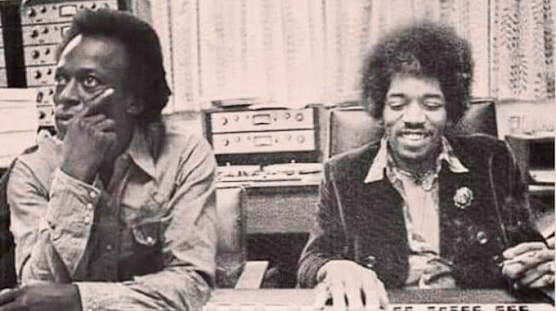
When Miles decided to “go electric” and embrace what was coming to be known as “fusion” in the late sixties, he said he was being heavily influenced by the likes of Jimi Hendrix and Sly Stone, among others. A few days ago, I hosted a forum for my YouTube channel (please subscribe, thanks) where some fellow musicians and I started talking about dream bands for Miles. We came up with some fascinating combos. The video will be posted soon, but I can’t keep this thought to myself.
The idea of Miles playing in a band with Hendrix had my mind racing. The admiration between the two was mutual, and they even discussed the idea of making an album together. Alas, the idea never came to pass, as Jimi passed away in 1970. It shook Miles to his core.
The idea was already a dream, so I thought I’d take things a step further, and flesh out who I would have loved to see playing in that band with Miles and Jimi.
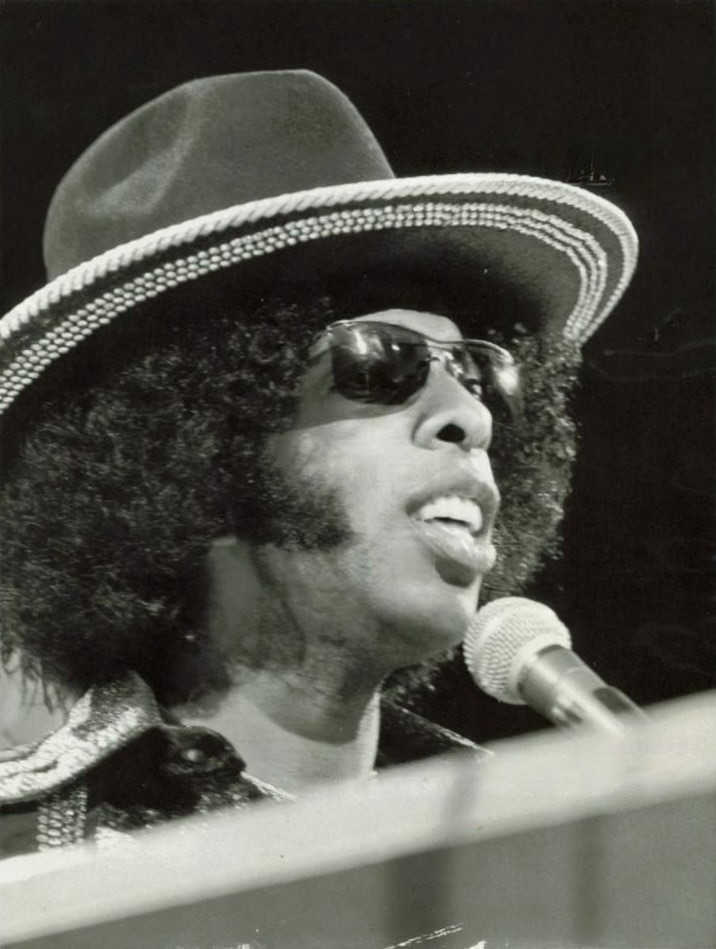
It only made sense that Sly Stone would be a part of this band, playing keyboards. Would there be vocals in this music? Perhaps. It wouldn’t be the first time Miles performed with a vocalist (which Hendrix could also handle). I would’ve been fine either way, though I do confess a preference for instrumentals.^ The amount of funk Sly could’ve brought to such a band is beyond one’s wildest dreams.
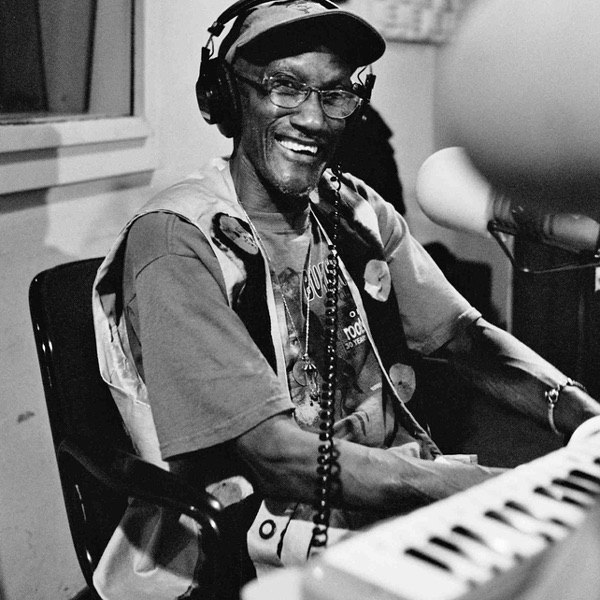
Speaking of funk, the addition of keyboardist Bernie Worrell would be an interesting add to the group. Worrell was highly adaptable and versatile. In addition to funk, he could’ve brought an interesting rock edge to the group, along with his gift for arranging, perfect pitch, and classically trained keyboard skills.
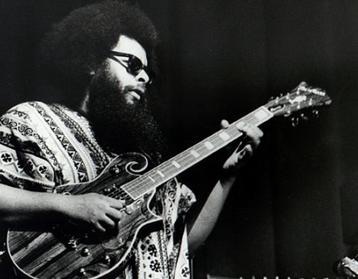
I thought Hendrix should have a guitar foil. Pete Cosey (who did, in fact, play in Miles’s seventies bands) struck me as a good counterweight, bringing not only some wild leads to the mix, but also some funky rhythm playing. A second guitarist would replace a saxophone player for this group. I’d like to shake things up.
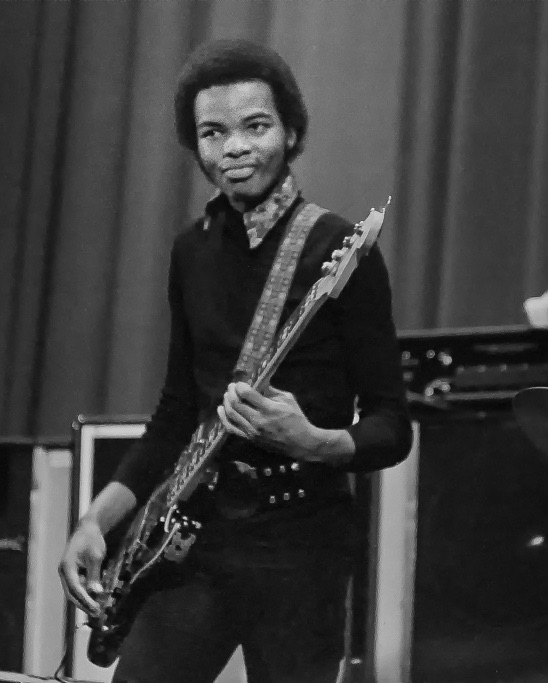
In 1970, Miles brought Motown bassist Michael Henderson in for sessions that became A Tribute to Jack Johnson. Henderson’s sense of groove was exactly what that band needed, and there would be no need to cut him out of my dream band. He’s perfect for this gig. Solid groove, impeccable time … everything they would need in a bassist.
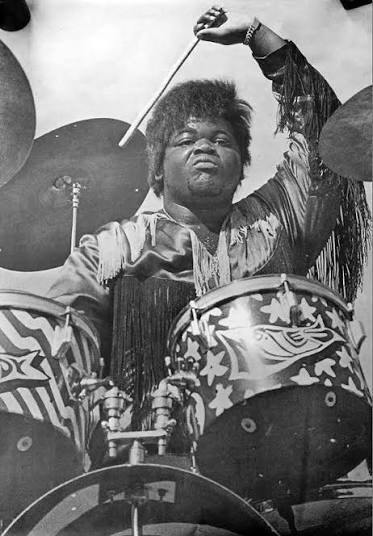
Speaking of groove and time, Buddy Miles (who played with Hendrix in Band of Gypsies) would be a powerful foundation for this group. His addition would make this one of the most aggressive bands on the scene. One can only imagine where such a group would’ve gone, particularly since they would be more than free to improvise.
My kingdom for a time machine!
Where Are We Going With This?
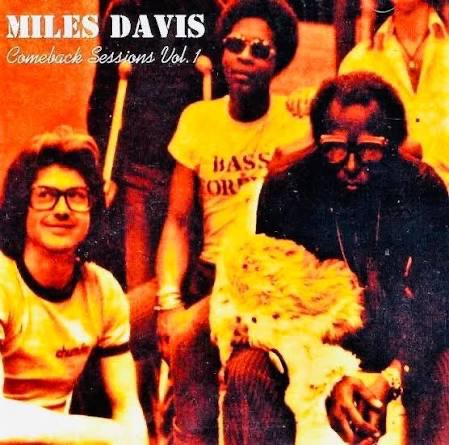
Miles took a much needed break from recording and performing in 1975 that lasted almost six years. It was a rather dark period where he came face to face with his drug demons in addition to other health issues. His trumpet went largely untouched. But Miles did try to make some music during his hiatus.
Guitarist Larry Coryell was a big Miles fan, and upon meeting him, he suggested they get together in the studio to try and make something happen. They did just that in February of ‘78. The result was a series of thought processes that came to be called Miss You Last Summer. While there was no official release, bootleg recordings surfaced and found their way into record shops and on to YouTube.
The band featured Al Foster (a Miles seventies band alum) on drums, T.M. Foster on bass, and Masabumi Kikuchi and George Pavlis on keyboards. Miles did not play trumpet, opting instead for playing organ and synthesizers.
The music? It’s a start. There was, from my point of view, much more to do. Miles was very enthusiastic with what had taken place, and was interested in forming a band with Coryell. The guitarist declined, realizing he and Miles were both in fragile places while dealing with substance abuse disorders. I would’ve been interested to see where this collaboration could have gone.
The Cool Comes to Paisley Park
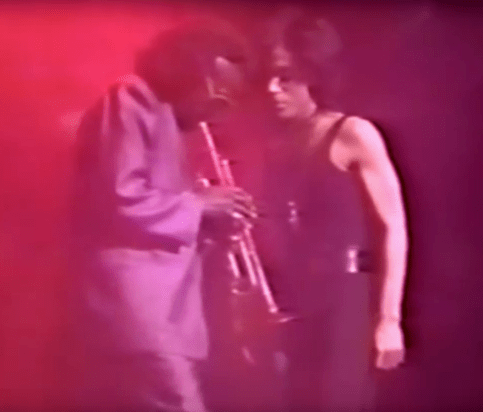
Miles was a big fan of Prince, and the feeling was mutual. In 1987, Miles made his way to Paisley Park, Prince’s home and recording complex. While there, Miles made his way to the stage to perform with Prince. Miles’s playing was sparse and felt incomplete, like he was trying to decide where to take things. Still, it was exciting to see these minds come gather on the same stage.
Prince was in the midst of recording one of his landmark albums, Sign O The Times. One of the songs he wrote and recorded was “Can I Play With U,” which featured Miles. The song didn’t make the album, but it once again shows the potential this collaboration had.
What could these two have done over the course of an entire album? It’s a fascinating thought. And given that both artists were signed to Warner Brothers at the time, the label would no doubt have lost its corporate mind at the prospect of such a collaboration.
If only.
A Journey to Hip-Hop
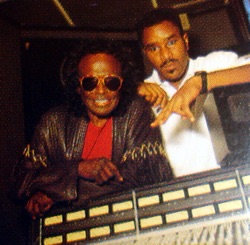
Miles’s last studio album had him shifting direction, once again aiming for America’s youth by way of hip-hop. Miles spent time working with MC and producer Easy Mo Bee, which led to an album called Doo-Bop. But like everything else featured here, the work was unfinished, as Miles passed away in September of ‘91 with only six tracks recorded for the album.
The potential for this project exists, even if the album itself (which Easy Mo Bee fleshed out for Miles posthumously) doesn’t quite get there. Still, I think it’s a good thing these tracks were released, just so we could continue to see Miles’s evolution.
Miles was 65 years old when he died. Given the chance, how many more times would he have shifted direction?Whom else would he have found himself working with? There is more than enough music to cement Miles’s Davis’s legacy several times over. But music is about imagination, and after 100 years, this feels like the perfect time to think about what could have been.
^ The instrumental nature of jazz is one of the the aspects that drew me to the music in the first place. I reached a place where I had grown tired of most vocalists. They all seemed to be singing about the same things, and none of it was interesting. Jazz gave me the chance to hear what the musicians were doing without being wailed over by a singer. Much better.
#cirdecsongs
If you would like to have your music reviewed, contact me at cirdecsongs@gmail.com

