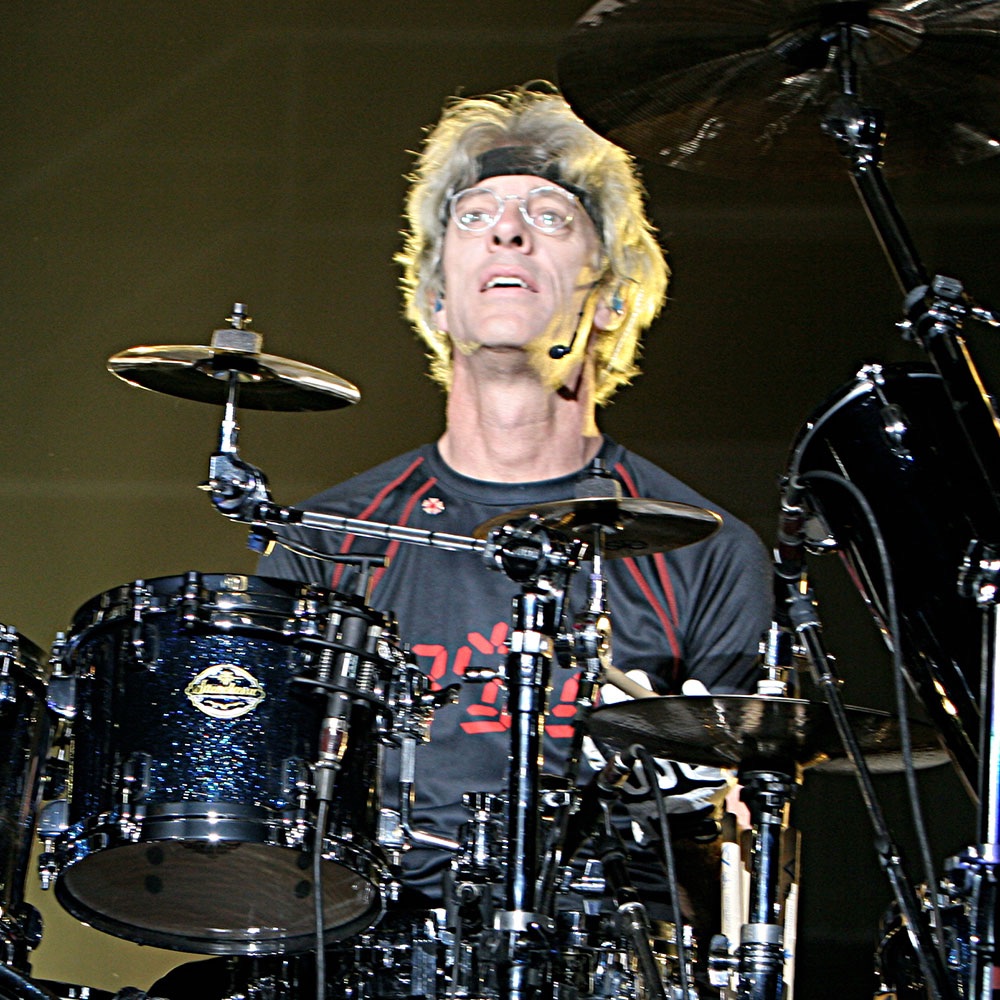
Some classic bands are too good to be shelved forever. This almost always brings me to The Police. Their music will never get old.
The great thing about The Police is there is always someone to pay attention to. And to fully appreciate them, you must spend time appreciating each band member. Three virtuosos cannot be ignored.
I love the sound of Sting’s voice and the deep groove of his bass. Andy Summers is a guitar powerhouse. Spend time with either of them and a master class unfurls itself in front of you.
I’ve taken more than a little time with both Sting and Summers. But I’m magnetically drawn to the drums of Stewart Copeland. They. Are. Flawless.
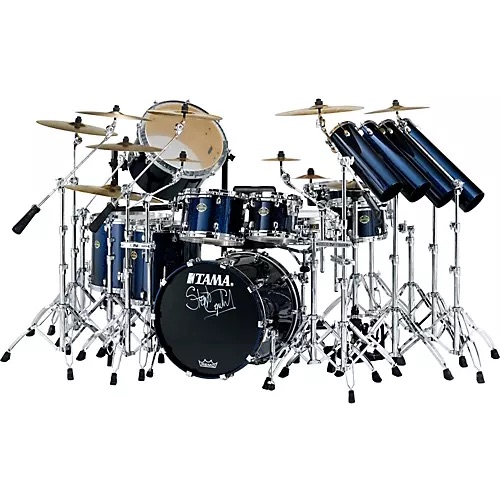
As a guitar player, I’m not gonna sit here and act like I know everything about drums. I’ll just say I think I know the sound of a good kit when I hear it.^ Good is one thing, but certain drum sets are next level. You know those when you hear them, too! Enter Stewart Copeland.
Where Copeland is concerned, it starts with the sound of his snare drum, Ground Zero of any kit. It’s tight, it’s crisp, and it leaves a little perforation on the eardrum with each crack! Copeland’s snare sound ranks at the top of my personal Top Three, followed by Bill Bruford and Steve Jordan.
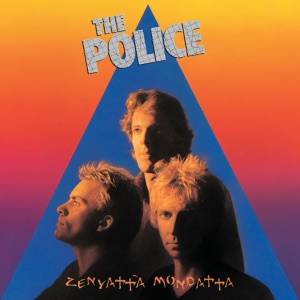
For me, that sound makes itself known best on Zenyatta Mondatta, which I’ve come to see as part of the Holy Grail of recorded drum sounds. Admittedly, I listened to this album (and all the other Police albums, for that matter) casually for a long time. But one day I heard “Driven to Tears” and found myself absolutely blown away by the sound of the drums, particularly the snare. This was the day I learned what a “flam” is.
Just like that, my Stewart Copeland 101 class was in session.
Of course, there are more than a few variables at work to determine the sound of any instrument. The size and composure of the recording space, the type and placement of the microphones, the producer’s preferences … any of these seriously affects the music’s sound.
But it normally starts with the drummer. Copeland is one of those musicians who could make three plastic buckets, a couple of cardboard boxes, and a galvanized tin trash can lid fit for proper recording.
Copeland also has a terrific sense of taste. He’s great at giving his drum parts exactly what they need and nothing more. There are no excessive fills, no superfluous flaunting … just lowkey virtuosity. Of course, Sting might argue with me about this now and again, but we’re gonna have to agree to disagree.+
Songs like “Spirits in the Material World” display how powerful Copeland can be based on what he’s not playing. It seems as though it would be easy to run roughshod over that song’s main groove. But Copeland pulls back, letting the open space have an equal share of the percussive conversation. This makes the part that much more powerful.
One of my favorite Police tunes is “Synchronicity II.” As this band’s songs go, it’s hard-charging and aggressive. Yet once again, Copeland doesn’t get carried away. The vast majority of his musical contributions come via his snare drum, which sounds vastly different from the snare of Zenyatta Mondatta, but it fits this tune like a comfortable pair of old shoes. Fills are few and far between, making them all the more effective when they land.
The one time Copeland really turns things loose is on a tune called “No Time This Time.” The energy still comes from his (perfect) snare drum, but it doubles in intensity. The fill are rapid-fire throughout the song, and Copeland is having a ball with the song’s ending, where he’s allowed to fire at will as the music fades out.
Truthfully, examples of Copeland’s brilliance can be found in just about any Police song. And we haven’t even touched on his efforts as a solo artist. But that’s for another day.
Copeland is hitting the road this year for a spoken-word program called Have I Said Too Much? He promises insights on The Police and the rest of his musical career. That should be quite interesting.
Musicians like Copeland make it fun to be the kind of music fan I am, which is the fan who likes to take songs apart as he listens to isolate what’s great before pushing it back into the composition proper. Time spent doing this with Stewart Copeland is time well spent.
^ Why didn’t I just choose to play drums over guitar? Good question. I suppose it came down to space, volume, family, expense, and neighbors. But I probably wouldn’t turn down a nice kit were someone to offer it to me.
+ Watching Sting and Copeland argue over parts during rehearsals for their reunion tour is both highly amusing and deeply infuriating. “I’ll trade you those two notes for that fill.” There’s no shortage of ego in that band.
#cirdecsongs
If you enjoy this or any of my other content, please leave a like and consider subscribing.
If you would like to have your music reviewed, contact me at cirdecsongs@gmail.com
 CirdecSongs