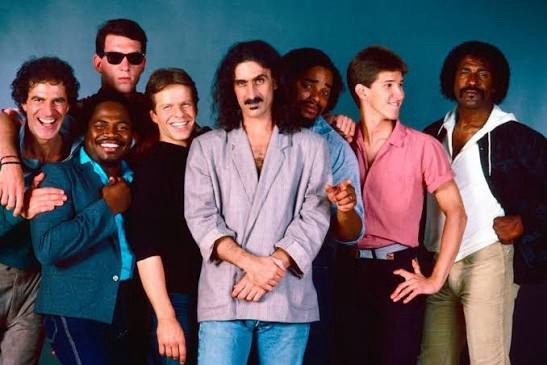
February is Black History Month. It would be easy to take the time to celebrate all things African-American where music is concerned. I would prefer to go in a different direction. Contributions, after all, come from everywhere.
Frank Zappa is one of my musical heroes. I think of him as one of the greatest composers of the twentieth century. When I listen to Frank’s music with some of my black friends, they are quick with one of two comments. It’s either “This shit is weird,” or “This sounds like white music.” I can live with the first comment. The second one burns me up.
Where I grew up, the seventies could be an odd time, musically. A form of segregation was beginning to rear its ugly head. When it came to popular music, soul and R&B were being seen more as strictly “black” music, while rock belonged to whites. Such was life in suburban St. Louis.
This never made sense to me. I just love music. Either it resonated with me or it didn’t. It never occurred to me to worry about what the musician looked like.^
Before you knew it, integrating a band started to seem like a novelty. At least it did to the people around me. “Oh, look! There’s a brother in that rock band!” “Oh, wow! What’s that white guy doing playing soul?”
How ridiculous.
Yes, people from different backgrounds brought their own “flavor” to a band or recording project. But it wasn’t about being a novelty. It was about giving the music what it needed. It’s so damned sad that people felt (and feel to this day) the need to think about music like that. Why can’t people just let the music be what it is?
Fortunately, Frank Zappa had the right mindset.
Zappa was about integrating his music and bands from Day One. His R&B and blues influences are obvious in more than a couple of his tunes. Dare I say, a lot of Zappa’s music wouldn’t have the same feel without input from black musicians, as they made major contributions to the sound. For example:
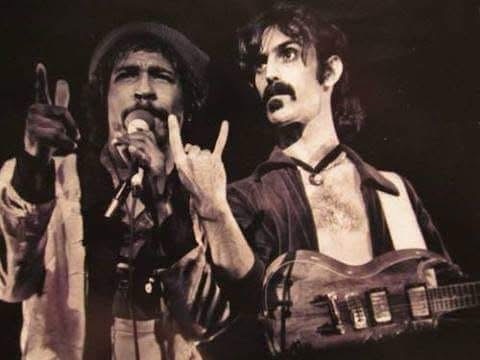
NAPOLEON MURPHY BROCK. Zappa wasn’t the strongest vocalist, and needed other vocalists to bring his work to life. One of the best was Napoleon Murphy Brock, who doubled on saxophone. He and Zappa constantly shared laughs onstage, speaking to the kind of chemistry the two shared.
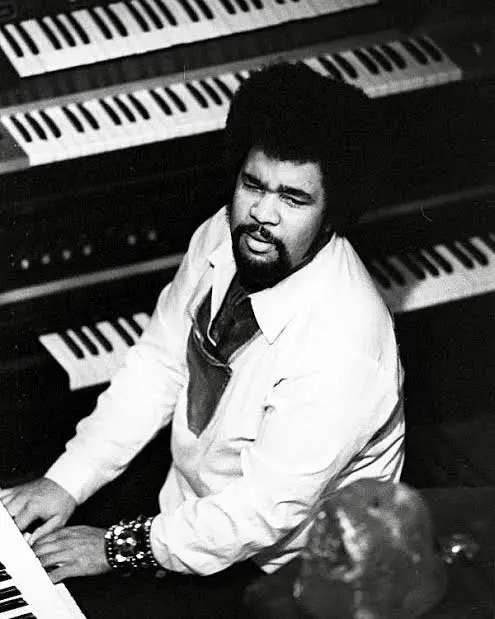
GEORGE DUKE. A highly influential R&B and Fusion keyboardist, Duke could also handle the musical gymnastics Zappa included in his compositions. Duke was a crucial part of the Roxy-era bands (like Brock), no doubt making the music sound like it did. Duke also provided some crucial vocals.
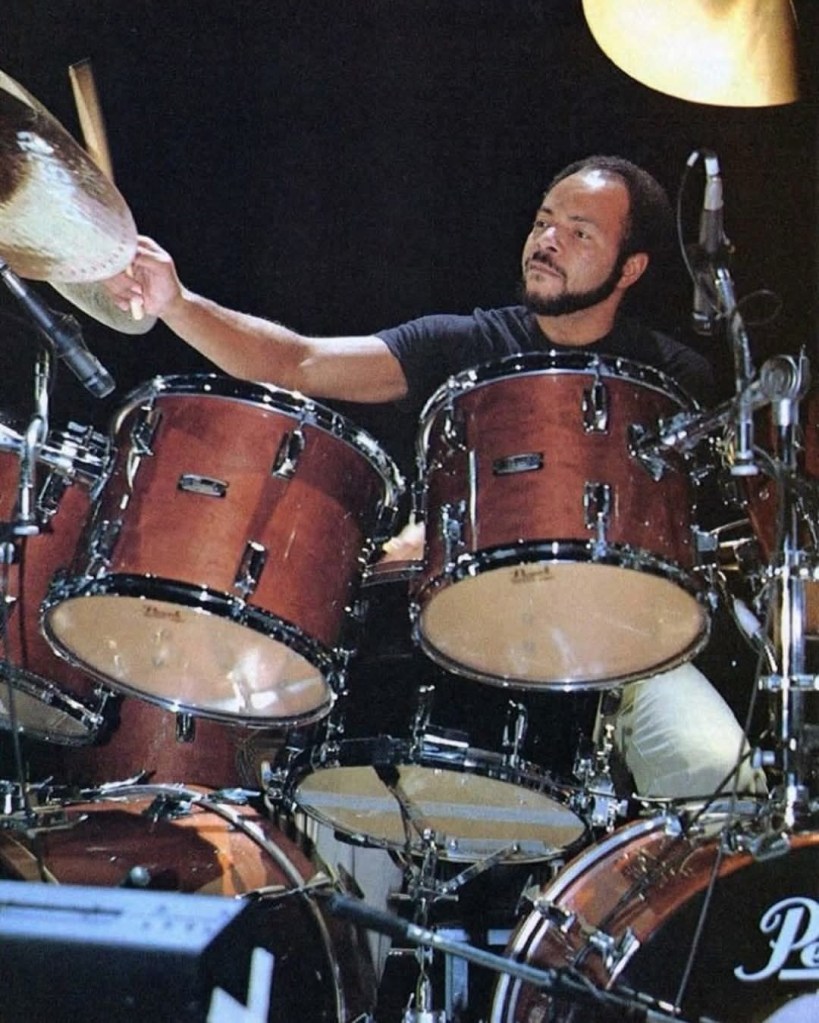
CHESTER THOMPSON. One of the finest drummers out there, Thompson first caught my attention as the touring drummer for Genesis. What a thrill it was to learn he was part of Zappa’s Roxy band. His was a groove that couldn’t be thrown off, no doubt one of the reasons Thompson remains a fusion and prog legend to this day.
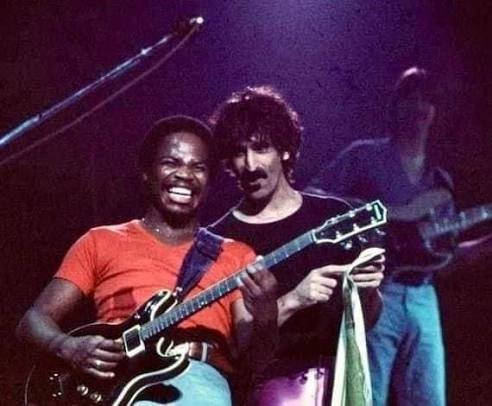
RAY WHITE. A powerful vocalist with a wicked sense of humor like Brock. Can anyone imagine “The Illinois Enema Bandit” without him? He continues to spread the joy of Zappa to this day. His talent comes across as smooth and effortless.
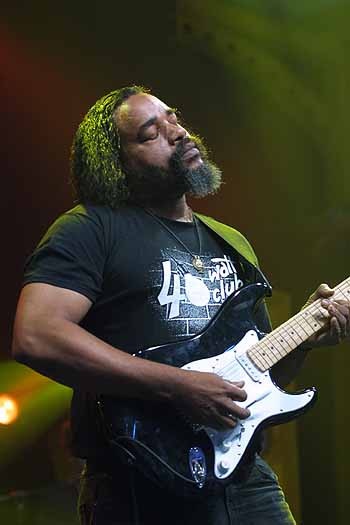
IKE WILLIS. A powerhouse guitarist with cops for days. He executes more than a few Zappa solos to the letter, which is not the easiest thing to do, given their largely spontaneous nature. Willis has a great sense for feel and delicacy where it’s needed, and turns into molten lava on a dime.
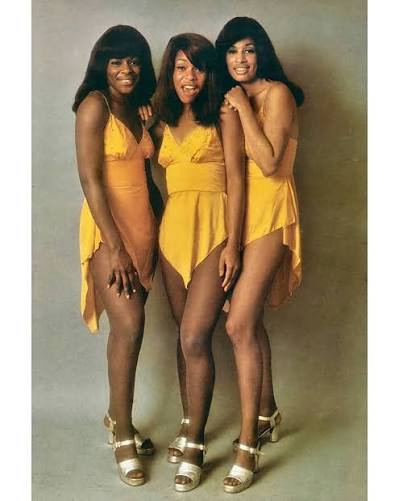
THE IKETTES. Listen to Zappa’s “Zombie Woof” and it’s quickly apparent who helps shape the song into what it is. Ike Turner’s backup singers bring extra life to anything they sing.
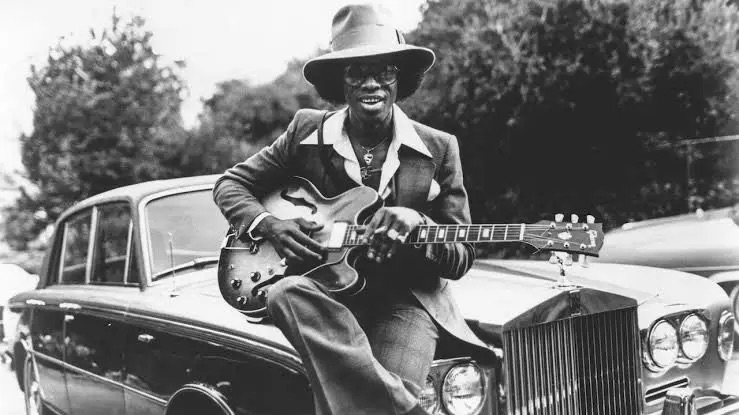
JOHNNY “GUITAR” WATSON. One of Zappa’s personal heroes brings a nice layer of blues and funk to tunes like “San Berdino.” His voice provides a nice juxtaposition next to Zappa, making for an enjoyable listen.
There have been other black musicians who did brief stints with Zappa. But the ultimate point is, Zappa’s sense for talent was not restricted by racial barriers. The best musician for the job played in the band. Period.
Which gives me one more reason to appreciate Frank Zappa and his works.
^ In my book (which I’m working to get back in print), I wrote a chapter called “Black Music.” I had a great chat with Vernon Reid about the way people from different ethnicities looked at music. He was as baffled as I was.
#CirdecSongs
If you would like to have your music reviewed or have your band photographed while in Chicago, contact me at cirdecsongs@gmail.com
 CirdecSongs