It was burning my ass!
My daily YouTube scroll landed me on a video called The 3-Minute Song That KILLED Progressive Rock Forever. Was it clickbait? Yeah, there was no doubt about it.
Did I click on it? Of course I did! I couldn’t help myself!
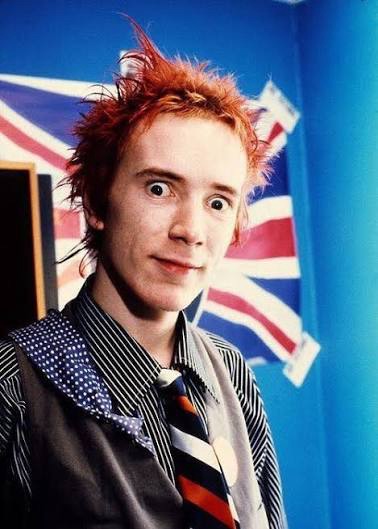
I spent the next 18 minutes listening to an AI-generated voice tell me that John Lydon (aka Johnny Rotten) and the Sex Pistols took the piss out of what they believed to be pretentious music they simply couldn’t relate to. The Sex Pistols ignited the world of Punk, and the music world would never be the same. Pink Floyd, Genesis, Yes, and all the bands like them were now dinosaurs.
Whatever.
I never saw it that way. In fact, I couldn’t possibly care less about punk and its “three chords and the truth,” or whatever they thought was the musical way to go.
I suppose that was the case because I couldn’t relate to the punks any more than they could relate to Prog. I didn’t grow up in impoverished London. I was raised in suburban St. Louis, where I was having “struggling to relate” issues of my own!
In the early- to mid-seventies, mine was one of the very few African-American families in my area. The Motown, Stax, and Philly International music sounds were already part of my DNA thanks to my parents. I spoke fluent Stevie Wonder, Aretha Franklin, and Marvin Gaye. The foundation was laid.
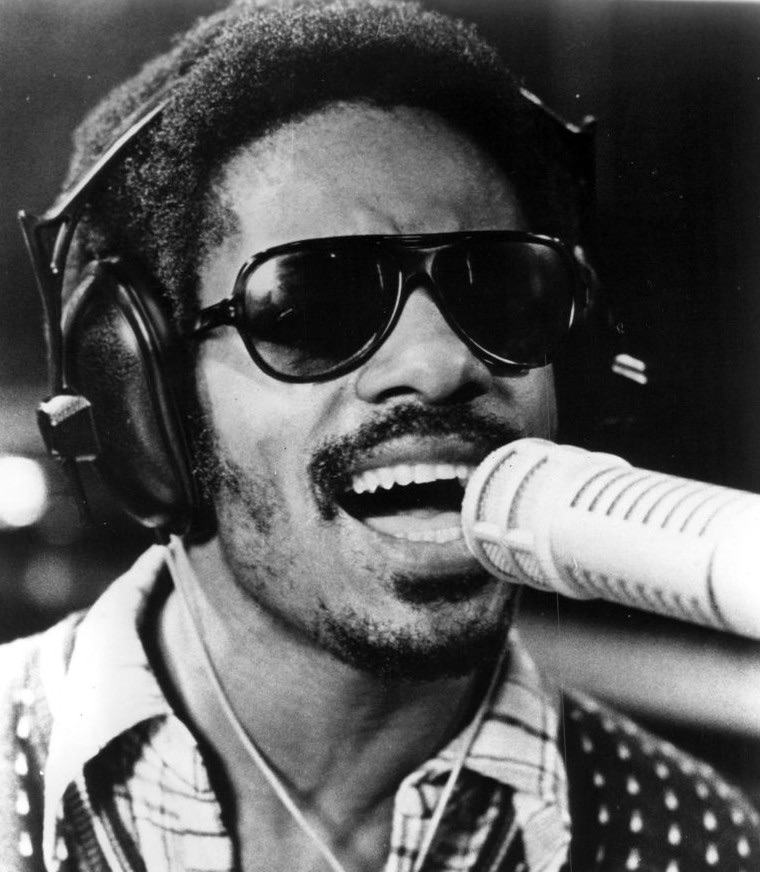
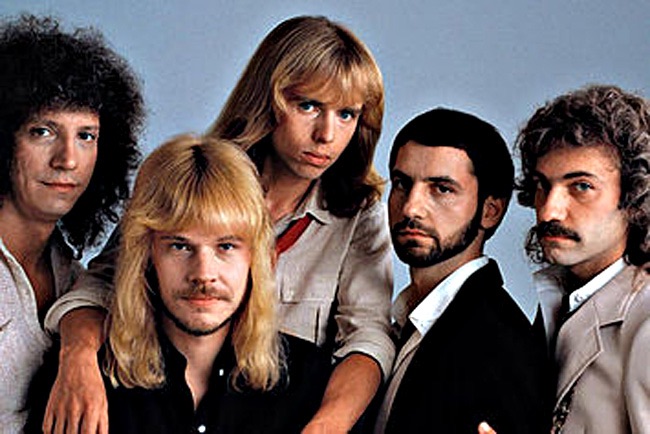
Now I was part of a completely different community. The overwhelming majority of my friends were white. They didn’t know Motown from a hole in the wall. These were the people who pulled me into the world of Corporate Rock, featuring bands like Journey, REO Speedwagon, Boston, and Styx. I will admit to becoming a Styx devotee when they released Pieces of Eight, the very first LP I bought with my own money. My dad was baffled. I was over the moon.
Punk never entered the picture.
The seeds of Prog had also been planted during this time. I just didn’t realize it. I listened to no less than six FM radio stations during those days, running the musical gauntlet. The local AOR (Album-Oriented Rock) stations were playing the corporate stuff. They were also playing Genesis, Yes, Emerson, Lake & Palmer, Kansas, and Rush. This was progressive rock, but no one bothered to tell me.
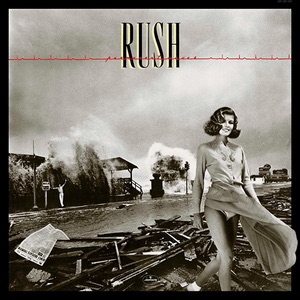
Rush’s album Permanent Waves positively exploded over the AOR station. The songs were lengthy, they had odd time signatures, they changed musical directions on a dime, and it was clear those guys could play. I couldn’t give less of a damn what people called it. I just knew I liked it.
Punk sounded nothing like this. All the more reason for me to ignore it.
The other boot to kick punk out of my musical house came from my father. He sneakily pulled me into the world of jazz-fusion. I already liked rock, so why not remove the vocals and focus on what the musicians could do. It started with an album by Jean-Luc Ponty called Cosmic Messenger. A new musical dam burst open, even if radio didn’t give a damn.

Still, no punk. It didn’t even find its way onto my musical radar. I never felt like I was missing anything.
During the eighties, I came to understand what I enjoyed and what I wanted from my music. I wanted to listen to people who could PLAY! Lengthy solo? If it sounds good, I don’t care! Odd time signatures? Bring ‘em on! All that meant was I had to focus deeply as I listened.
Bands like Return to Forever, Yes, Weather Report, and Genesis (another true obsession for a while) ran side-by-side on my turntable. Some songs had vocals, many others didn’t. It didn’t matter. They could play! That’s all I needed.
Punk? Pish! What an unholy racket they were making. The Sex Pistols? The Ramones? You can have them! I don’t care how many times you call my music “pretentious” or “musical masturbation.” You had no chance of pulling me away from what I loved. None.
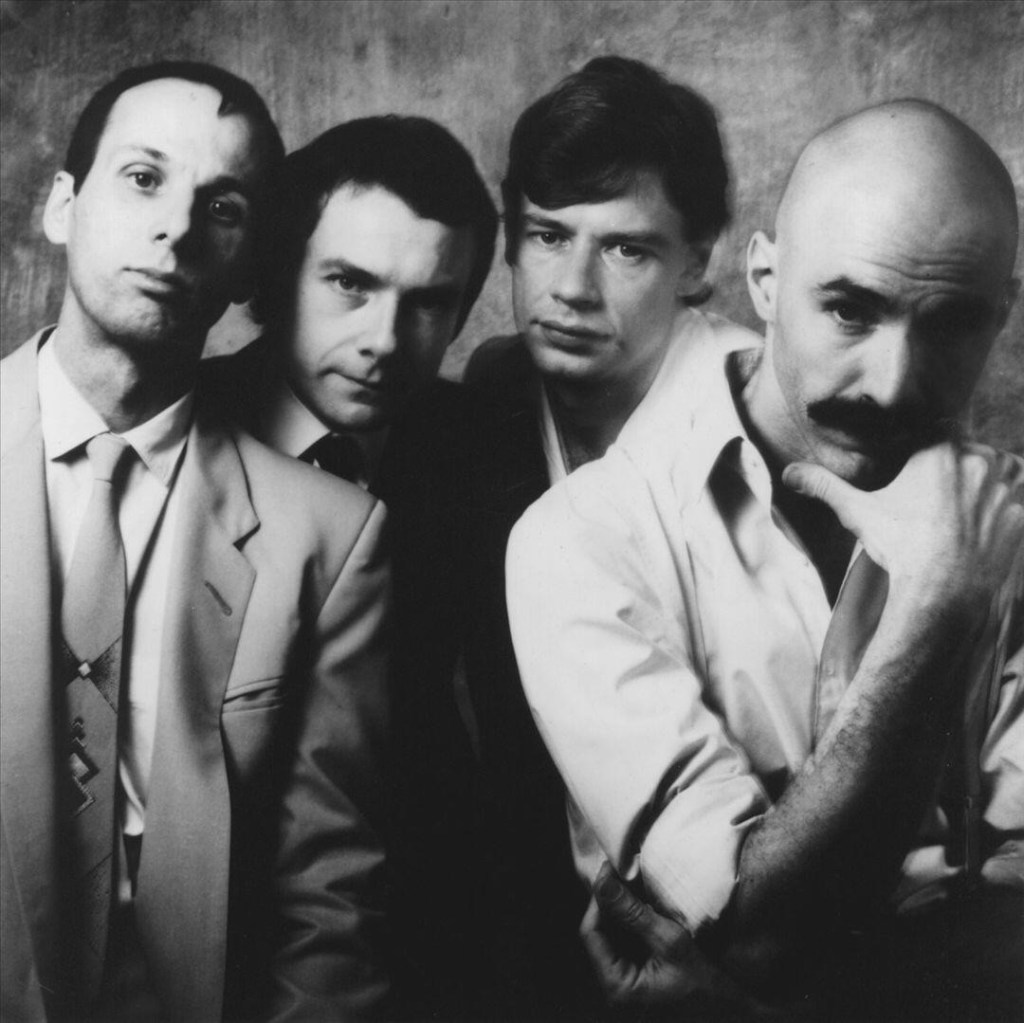
In the mid-eighties, shortly after being introduced to the eighties incarnation of King Crimson (an all-time favorite), I was informed that the music I loved was called Progressive Rock. Okay … cool. They can still play really well, right? Good. That’s all I need to know.
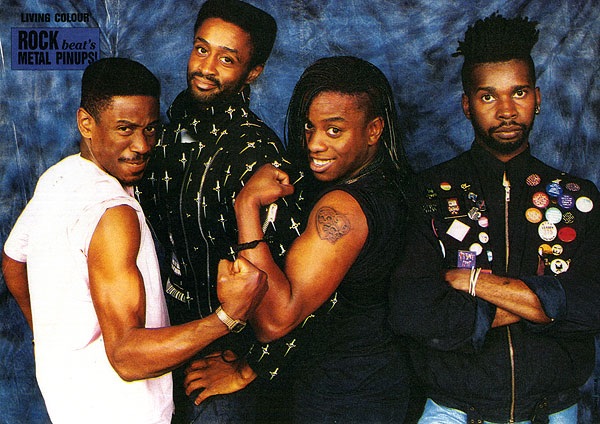
Punk and I have never really been on the same page. That’s just the way it is. In fact, the first time I really came to like a punk song was when Living Colour covered Bad Brains’s “Sailin’ On.” The frenetic energy was cool, but it was Vernon Reid’s brief guitar solo (the entire song is just over two minutes, after all) that hooked me. Because Vernon can play!
I do have albums from Bad Brains, Bad Religion, and a couple of other punk-oriented bands. They come off my media shelf once in a great while. And I have nothing but respect for a Detroit-based African-American band called Death, who all but launched the punk movement some five or six years before the Sex Pistols. The documentary A Band Called Death is well worth its viewing time.
I did try to give albums by The Sex Pistols and The Ramones a go, but they just didn’t reach me. Punk and I were going to have to find a way to live without one another. Music fans will be happy to know things have worked out just fine.
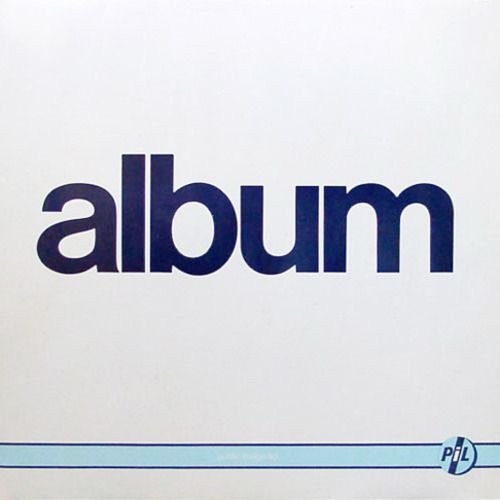
But this adventure is not without irony. During my College Rock obsession of the mid- to late-eighties, I became enamored with a record called Album (or Cassette or Compact Disc, depending on what format the listener preferred) by a band called Public Image Ltd. It was loud and rude, but it also contained some killer musicians like Steve Vai and Bernie Worrell. It was the band’s singer that threw me for it loop. It was none other than John Lydon! The thought of that discovery makes me laugh to this day. The music world is much smaller than many might believe.
Comedian Chris Rock once joked that “whatever you hate will eventually end up in your family.” And so it would seem that Johnny Rotten and I share just a little bit of musical DNA.
I can live with that.
#cirdecsongs
If you would like to have your music reviewed or have your band photographed while in Chicago, contact me at cirdecsongs@gmail.com
 CirdecSongs
My dad, a professional jazz musician, did the same thing to me. Turned me on to Return to Forever. The rest, as they say, is history.
LikeLiked by 1 person
During the 70’s I listened to Pink Floyd, Elton, Genesis, Yes, and like you, Jean Luc Ponty.
Sure I listened to the Sex Pistols and The Clash maybe once or twice. Yeah, I got it…rebellion, right on. That generation of musicians and fans grew up. Punk rock evolved into New Wave in the 80’s. New Wave included power pop and synth pop, both genres I really enjoy. The Police, Thomas Dolby, Depeche Mode, Elvis Costello, Tears For Fears, Talk Talk……
A lot of those groups integrated prog rock textures and structures into their songs.
LikeLike
To understand punk I think you have to have grown up less privileged and under the cosh of Margaret Thatcher who treated ordinary people like scum. She ruined the UK economy, shut down industries and held fast to an internalised misogyny. That’s what punk, including The Slits and X Ray Spex was railing against. But there’s room for all genres.
LikeLike